Heartworm disease in dogs and cats happens when heartworms get into the animal’s bloodstream, carried by mosquitoes. When a mosquito bites an infected animal, the larvae develop inside the mosquito and are passed on to the next animal it bites.
The larvae grow inside the pet over several months before settling in the heart and the blood vessels of the lungs, so at first there are almost no signs.
Signs that call for a vet visit
- A persistent cough, fast or labored breathing
- Tiring easily, not wanting to walk or play as before
- Loss of appetite, weight loss
Other illnesses can cause the same signs. A diagnosis needs a blood test by a vet.
Fewer mosquito bites at home
Testing, prevention and treatment for heartworm are for the vet who looks after your pet. This article is not medical advice.
What owners can do at home is reduce the chance of mosquito bites:
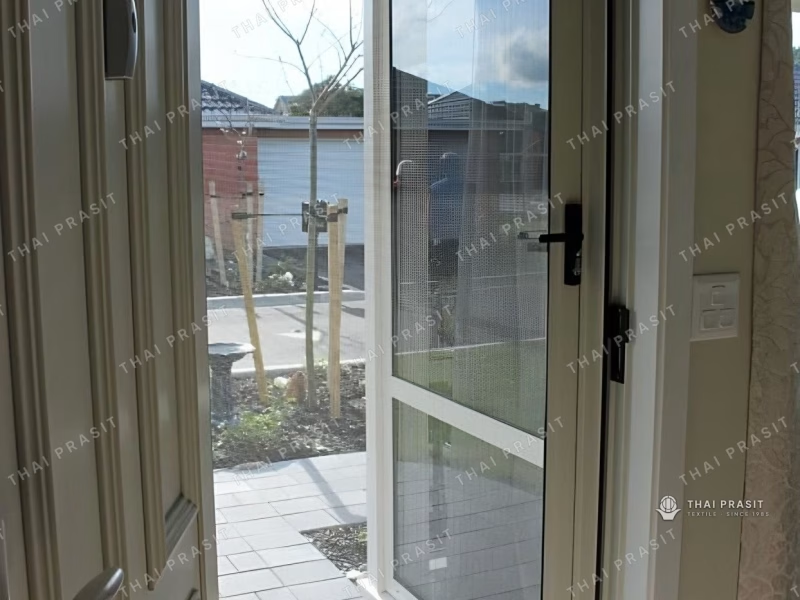
- Fit insect screens on doors and windows, and keep pets indoors at dusk, when mosquitoes are most active.
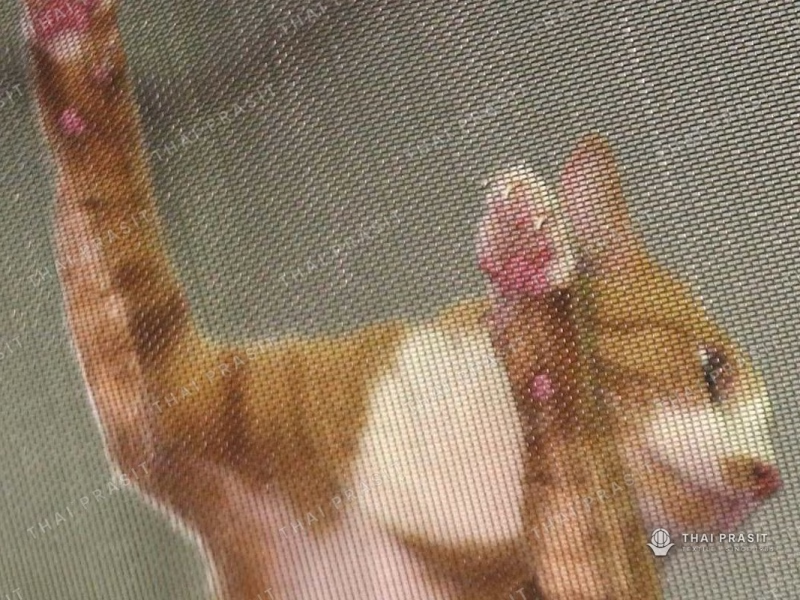
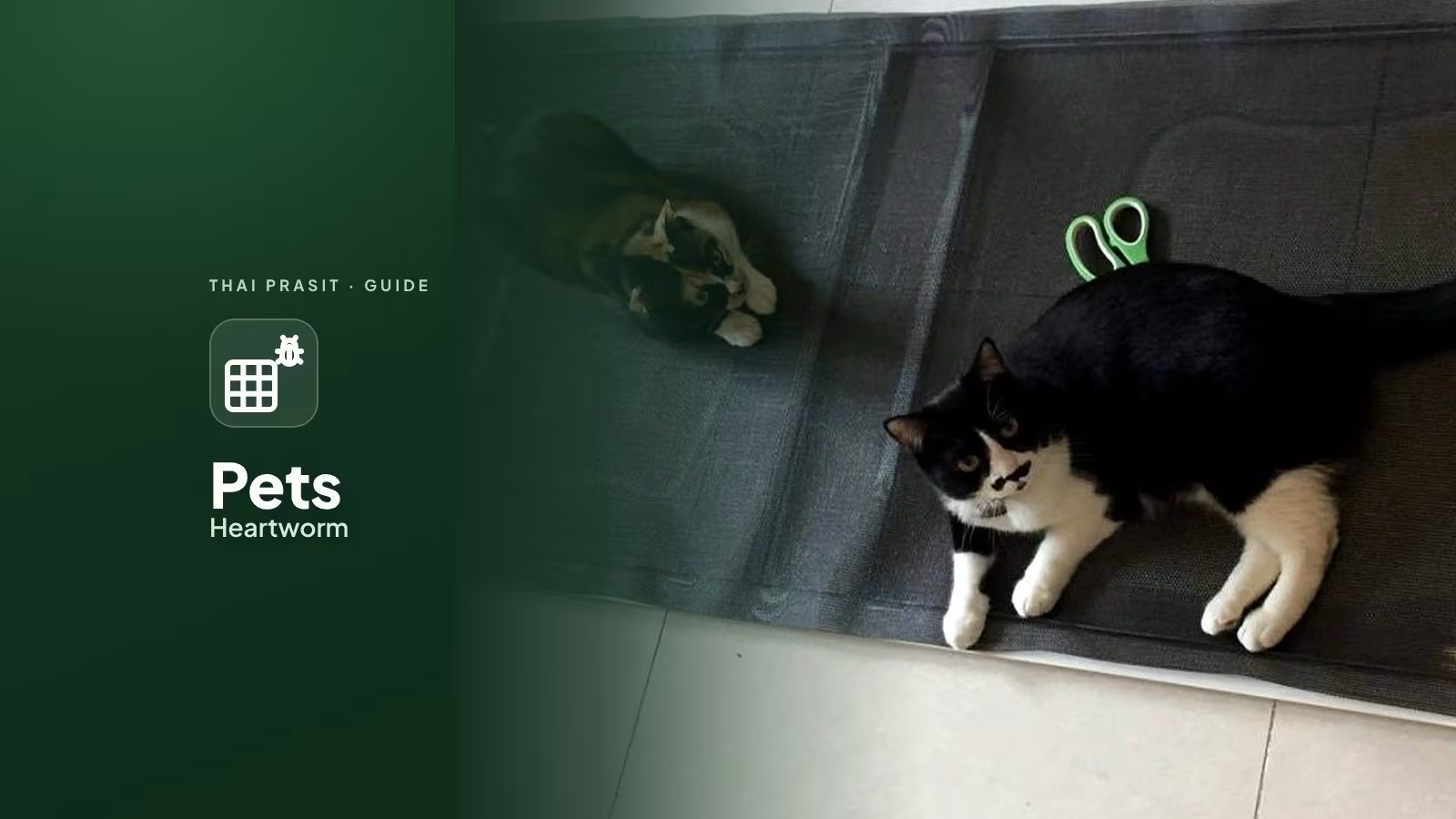
- On panels your pets like to scratch or climb, use Pet Mesh, which resists claws, so the screen does not tear and let mosquitoes in.
- Do not leave standing water around the house, including outdoor water bowls: change the water every day.
Read next: The dangers of mosquitoes · A fix for homes where pets keep tearing the insect screens