How often
For most homes, every 1–3 months. Homes by a busy road, near building work or by the sea need it more often. A simple sign is when the screen starts to look dull or the room feels stuffier than before.
How to wash a screen
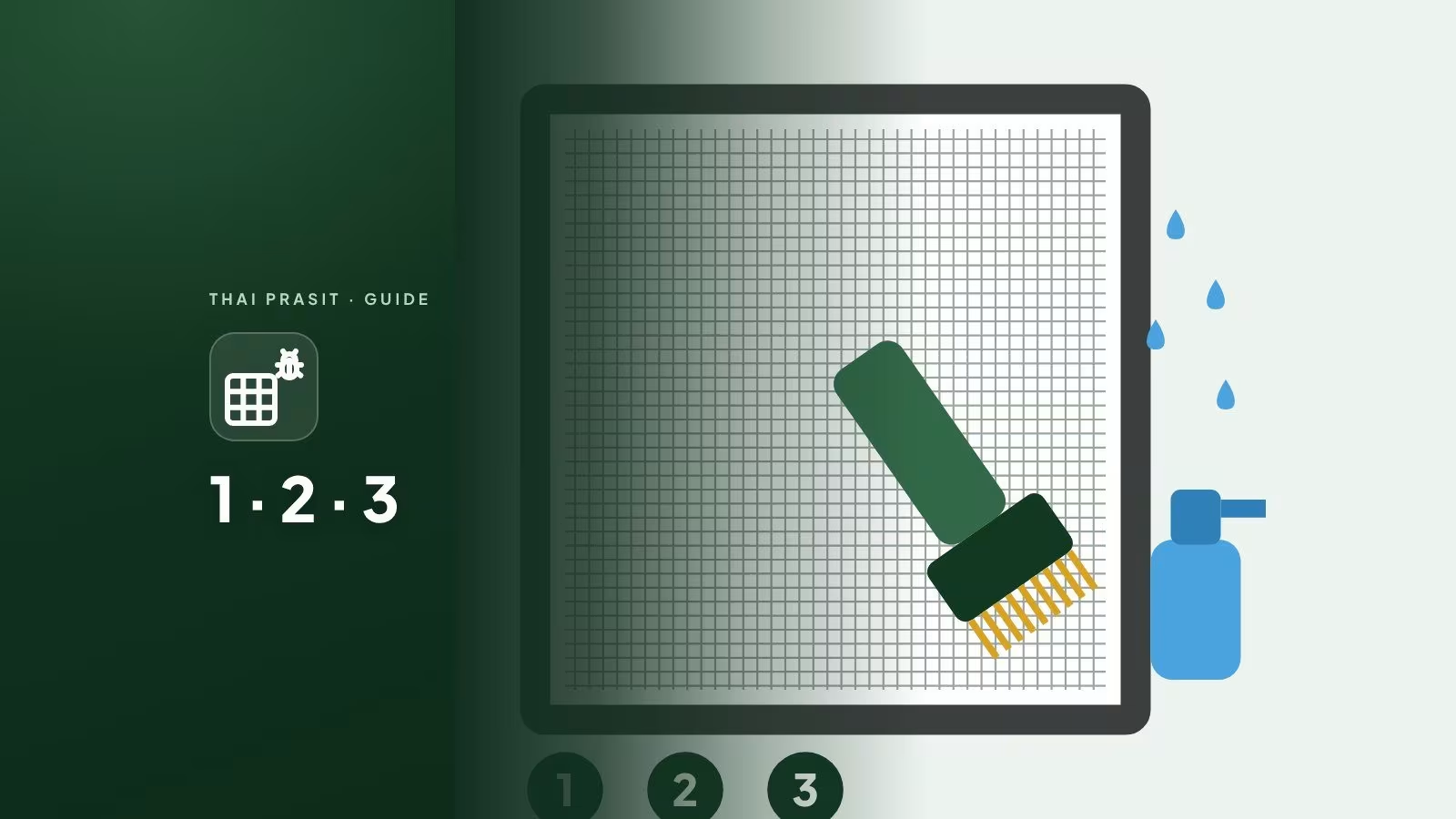
- Take the panel out if you can and lay it on a flat surface covered with a cloth. If it cannot come out, put a cloth underneath to catch drips.
- Brush off dry dust first with a soft brush or a vacuum with a brush head, working from top to bottom. Most of the dirt comes off at this stage.
- Wash with mild soapy water, such as water with a little dishwashing liquid, wiping both sides gently with a sponge or soft brush.
- Rinse with clean water from a shower head or a low-pressure hose.
- Let it dry completely before refitting it.
What not to do
- Do not use a pressure washer: the jet can push the screen out of its spline or stretch the mesh.
- Do not use harsh chemicals such as thinners, bleach or toilet cleaners.
- Do not scrub with wire brushes or scouring pads.
- Do not press hard on the screen while wiping, especially on wide panels.
Tips by screen type
| Screen | Tips |
|---|---|
| HDPE insect screen | Can be washed as a whole panel and does not rust, so it suits homes by the sea. |
| Fiberglass insect screen | Vinyl-coated glass fiber that does not rust or spread flame. Wipe gently to protect the coating. |
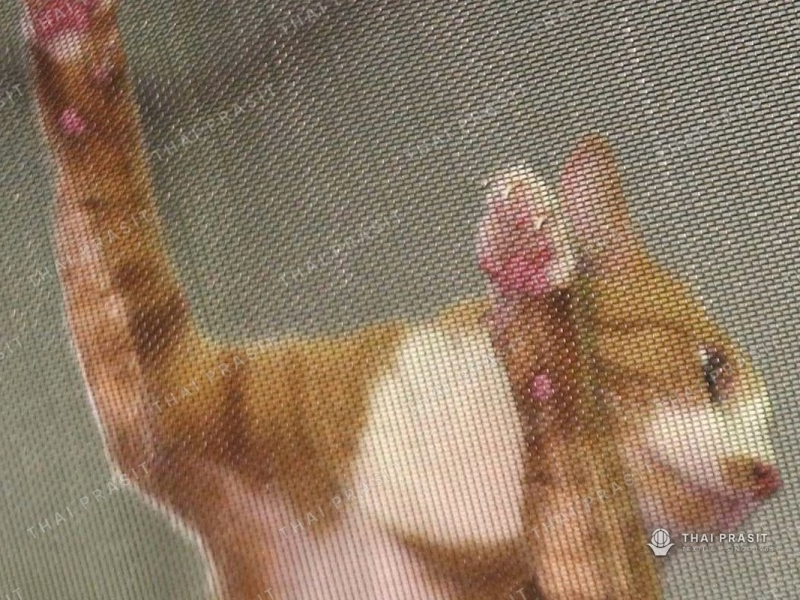
| Pet Mesh | A thick, scratch-resistant screen. A rubber brush or lint roller helps remove pet hair. |
Cleaning without taking the screen out
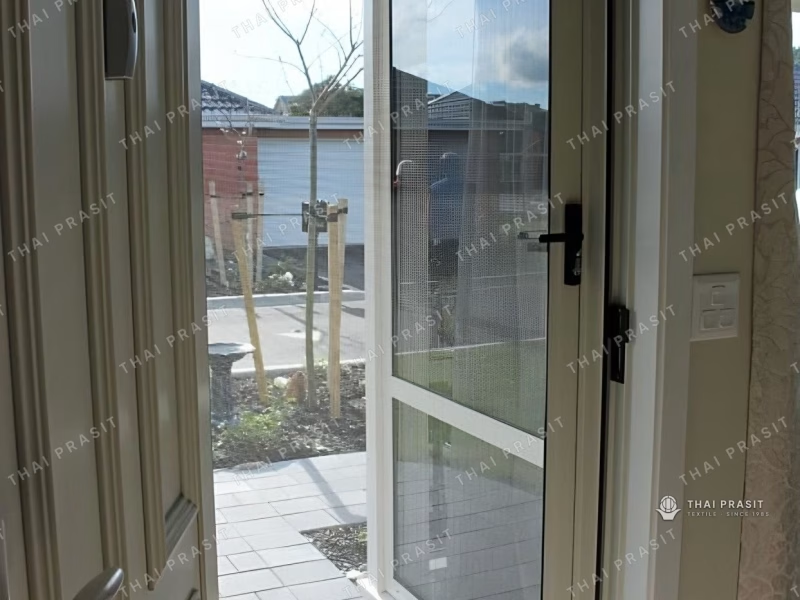
Screens fixed to the frame, or tall panels that are hard to remove, can be cleaned in place with less water and no risk of bending the frame.
- Close the glass behind it and lay a cloth under the sill to catch drips.
- Vacuum with a brush head on both sides, top to bottom.
- Wipe with a microfiber cloth dampened in mild soapy water, wrung out well. Wipe along the strands rather than scrubbing in circles, which can stretch the mesh.
- Wipe again with a cloth dampened in clean water, and let it dry before opening the glass.
Choosing a screen that is easy to look after
- Coastal or humid homes: HDPE insect screen can be hosed down whole and does not rust.
- For airflow and a clear view: fiberglass insect screen has fine strands that wipe clean easily; wipe gently.
- Homes with pets: Pet Mesh is thick and does not tear easily when washed or scratched.
- Wide doorways: pleated mesh folds away, so on days it is not needed it stays folded and gathers less dust.
Check it while you clean
Look for tears, small holes, loose spline and twisted frames while you work. Small holes can be patched, but if the screen is torn along a length or the spline has come out in several places, rescreening the whole panel is better value. Rescreening follows much the same steps as installing Pet Mesh.